

small round bathroom mirror
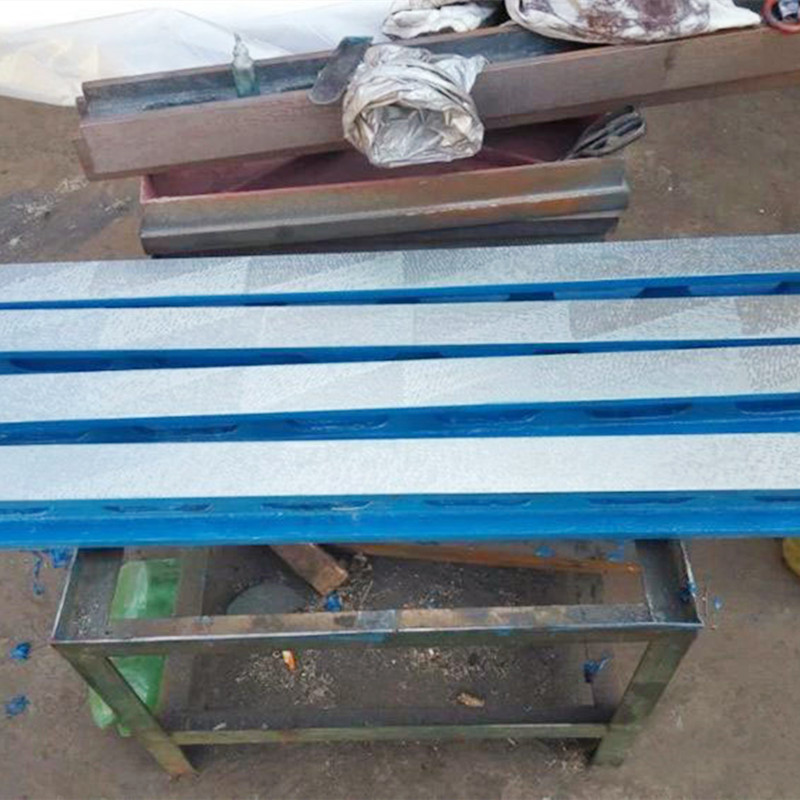
The Precision Engineer's Spirit Level A Cornerstone of Accuracy In the world of engineering and construction, precision is paramount. Every measurement, every angle, and every line must be exact to ensure the success and safety of a project. Among the many tools that engineers and builders rely upon, the spirit level stands out as a fundamental instrument that embodies the essence of precision engineering. The spirit level, often referred to as a bubble level, consists of a sealed glass tube containing a liquid and an air bubble. The tube is slightly curved, allowing the bubble to move freely. When the spirit level is placed on a surface, the bubble naturally seeks the highest point due to gravity. This principle enables users to easily determine whether the surface is horizontal (level) or vertical (plumb). The simplicity of its design belies its crucial role in a vast array of applications—from framing a house to installing shelves and cabinets. Historical Evolution The use of levels can be traced back to ancient civilizations. The Egyptians utilized simple water levels as early as 2500 BCE for constructing monumental structures like the Pyramids. The Romans also made significant advancements, employing sophisticated leveling tools that allowed them to construct aqueducts and buildings with remarkable precision. However, the spirit level as we know it evolved in the 16th century when scientists and craftsmen began to refine the design, incorporating features that improved accuracy and ease of use. Over time, the spirit level underwent innovations in material and technology, ultimately becoming a vital tool in modern engineering. Importance of Accuracy In engineering, accuracy cannot be overrated. A single miscalculation can lead to catastrophic failures, from structural collapses to equipment malfunctions. The spirit level assists engineers in ensuring that structures are built correctly from the ground up. For instance, when constructing a building, each floor must be perfectly level to support the weight of the structure above. Additionally, proper leveling is essential for installations like plumbing, as it ensures that water flows correctly without any obstructions. Types of Spirit Levels precision engineers spirit level Modern spirit levels are available in various forms to suit different tasks. Traditional bubble levels are commonly used in carpentry and general construction. Digital levels, which feature electronic displays, provide precise measurements and often include additional functionalities such as angle measurements. Laser levels project a beam of light that can create a perfectly straight reference line over long distances, making them invaluable in large-scale projects. Each type of spirit level has its unique advantages and is chosen based on the specific requirements of a job. The Precision Engineer's Role Precision engineers are tasked with the responsibility of maintaining high standards in measurement and manufacturing. Their work often involves intricate tasks where even the slightest deviation can lead to significant problems. The use of a spirit level is an essential part of their toolkit, empowering them to achieve the level of precision required for their projects. By employing spirit levels, they uphold the integrity of their work and ensure that their outcomes not only meet but exceed industry standards. Future Innovations As technology continues to advance, the spirit level is likely to see further innovations. The integration of smart technology, such as apps that connect to smartphone devices, may enhance the functionality of traditional levels. Advanced sensors could provide real-time feedback and alert users to discrepancies, increasing accuracy and efficiency on job sites. Moreover, as construction techniques evolve, new materials and designs for spirit levels may emerge, catering to specialized needs within various engineering sectors. Conclusion The spirit level, though a simple tool, is a vital instrument that embodies the spirit of precision engineering. From its historical roots to modern advancements, it remains an indispensable asset for engineers, builders, and craftsmen alike. In a world where accuracy is crucial, the spirit level symbolizes the commitment to excellence that defines the profession. As we look to the future, it is clear that this humble tool will continue to play a pivotal role in shaping the landscapes of our cities and infrastructure, ensuring that we build not just with strength, but with precision.
about
small round bathroom mirror
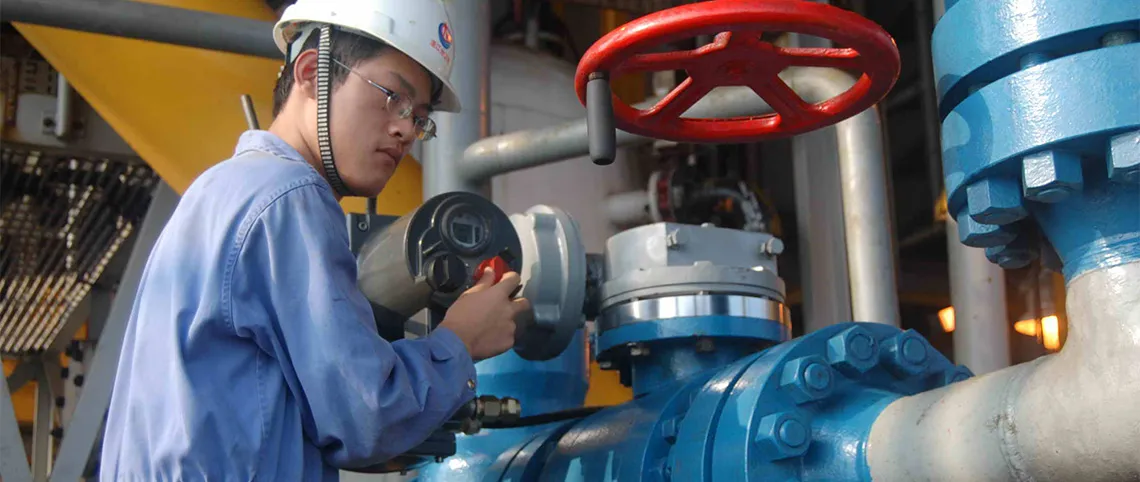
Check valve, also known as non-return valve, single flow valve, one-way valve or backstop valve, its main role is to ensure that the medium in the pipeline directional flow without the function of backflow. This article will introduce the working principle of slow-closing muffler check valve. First, the use of water pressure regulation Slow-closing muffler check valve inside the main two water chamber composition, the diaphragm under the water chamber of the cut-off port is the water channel, (cut-off port to open the largest area close to the pipe diameter area), the diaphragm on the water chamber is the pressure regulator room, generally when the pump stops working, due to the valve flap of the self-pressure and the pressure on the water chamber, the lower chamber cut-off will be closed off quickly 90% of the remaining 10% need to use the conduit to the valve after pressure Passed to the upper water cavity, with the outlet pressure in the upper water cavity continues to increase, the cut-off port will slowly close the remaining 10%, so the slow-closing muffler check valve can play the role of slow-closing muffler. Control valve Slow-closing muffler check valve in use needle valve counterclockwise rotation 2 ½ turns, the control valve open 1/2 turn can be opened, if you find the phenomenon of water hammer, can be slightly adjusted to close the small control valve, and then counterclockwise fine-tuning to open the large needle valve, so that the phenomenon of water hammer is gradually eliminated. When the valve begins to feed water from the inlet side, the water flow will pass through the needle valve and finally enter the main valve control room, the outlet pressure will be applied to the pilot valve through the action of the conduit. When the resulting outlet pressure is finally higher than the pilot valve spring setting, the pilot valve closes. When the control chamber stops draining, the pressure in the main valve control chamber rises and closes the main valve, at which point the outlet pressure no longer rises. The above is the introduction of the slow-closing muffler check valve working principle of the problem.
-

High quality industrial productsagement

High quality industrial products
View Details -

Meet the diverse needs of customers

Meet the diverse needs of customers
View Details -

Strict quality control

Strict quality control
View Details -

Top raw materials

Top raw materials
View Details -

Trusted supplier

Trusted supplier
View Details
Our application


news and information

Wooden frame construction with truss plates and nails for added structural support.
Wood frame construction has been a popular building method for centuries, providing a versatile and
Versatile 4x8 Welding Table for Precision Metalwork and Fabrication Projects
The Versatility of a 4x8 Welding Table In the world of metalworking and fabrication, the importance

Ventil motýl s 36% průtokem pro efektivní regulaci kapaliny
Motýlové ventily a jejich význam Motýlové ventily jsou jedním z nejefektivnějších a nejběžněji použí
 English